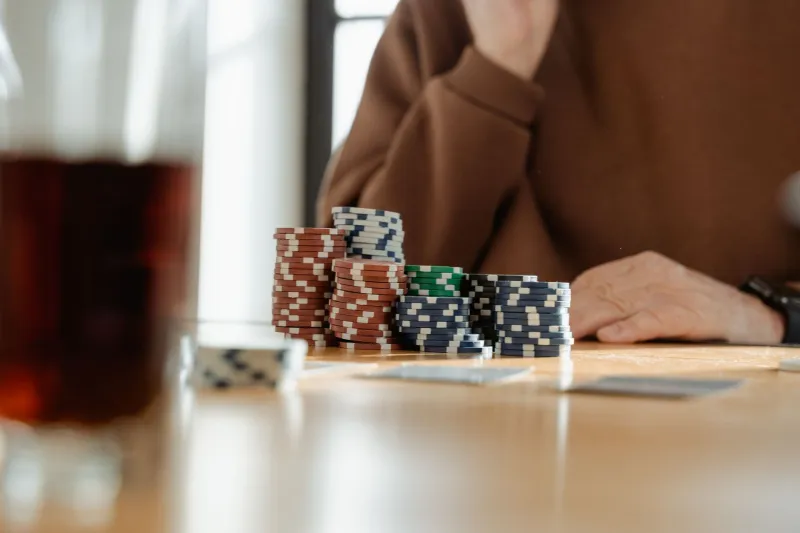
Lucky Undies, Forbidden Numbers, and the Rituals Aussie Casino Players Swear Are Totally Rational
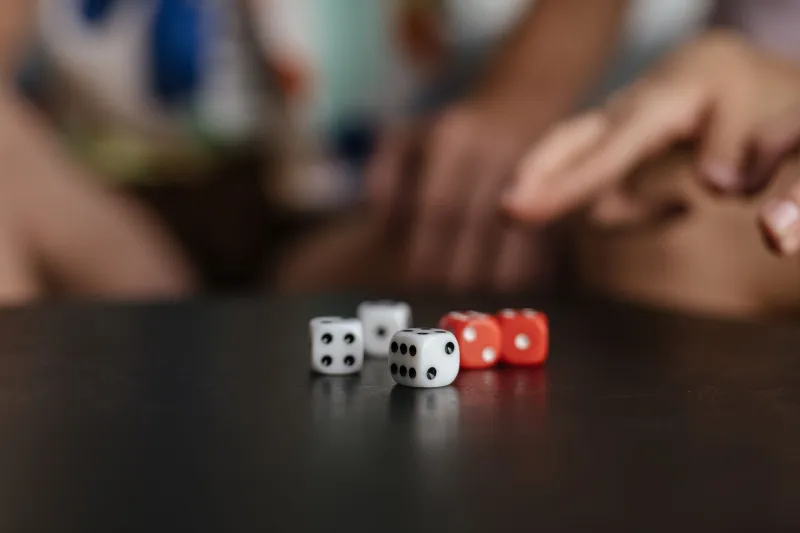
Let's be honest. Somewhere in Australia right now, a perfectly sensible adult is refusing to spin a pokie until they've tapped their phone screen three times, positioned their coffee mug at a forty-five-degree angle, and whispered something barely audible to their cat. Is it rational? Absolutely not. Does it feel completely necessary? One hundred per cent.
Welcome to the wonderfully unhinged world of Australian casino superstition — where lucky socks carry more weight than betting strategy, and where the number four is apparently the universe's way of telling you to log off immediately.
The Superstition Starter Pack: What Aussie Players Actually Do
We put the call out to the Jokaroom AU community, and what came back was... illuminating. Here's a small sample of the rituals players confessed to:
- The Unwashed Winner: One Melbourne punter admitted he hadn't laundered his "lucky hoodie" in three weeks during a particularly good run on blackjack. His housemates were less enthusiastic about this strategy.
- The Sacred Seat: A Queensland player insists on sitting in the same office chair — facing north — every single session. She relocated her entire desk setup after a bad run, convinced the previous orientation was cursed.
- The Forbidden Snack: A Sydney regular won't eat chips (the potato kind) while playing pokies. The logic? "Chips bring chips. It feels greedy. The algorithm knows."
- The Time Whisperer: Multiple players reported only logging on at specific times — 7:07 pm, 11:11 am, or right after the Channel 9 news intro jingle. Because apparently casinos operate on a vibes-based schedule.
None of these people think they're irrational, by the way. They just think you haven't found your ritual yet.
Why Your Brain Is Basically a Superstition Factory
Here's where it gets genuinely fascinating. Humans aren't born superstitious — we're born pattern-seeking. Our brains are extraordinary prediction machines, constantly scanning the environment for cause-and-effect relationships. For most of human history, this was survival gold: notice that the rustling in the bushes sometimes precedes a predator, and you live longer.
The problem is that this same cognitive machinery doesn't distinguish between real patterns and coincidental ones. You wore your green socks the day you hit a solid win on the slots? Your brain files that away. You win again two weeks later while wearing those same socks? Congratulations — you now have a sacred garment.
Psychologists call this illusory correlation: the perception of a relationship between two things that have no actual causal connection. Gaming researchers have documented it extensively, particularly in environments where outcomes are genuinely random — like, say, every single casino game ever invented.
Dr. Michael Stadler, a cognitive psychologist whose work touches on gambling behaviour, has described how the brain's reward circuitry essentially rewards itself for finding patterns, regardless of whether those patterns are real. The dopamine hit from believing you've cracked the code is real, even when the code doesn't exist.
The Number Game: Lucky 8s and Terrifying 4s
Numbers get their own special category in the superstition ecosystem. In Australian casino culture — heavily influenced by the large Chinese-Australian community — the number eight is widely considered lucky (it sounds like the Mandarin word for prosperity), while four is avoided like a bad oyster (it sounds like the word for death in several Asian languages).
But it goes further. Ask Aussie players about their preferred betting numbers and you'll hear everything from seven being universally blessed to thirteen being so cursed it practically has a restraining order against it. One Brisbane player told us he specifically bets in multiples of nine because "it feels complete." Another avoids any bet ending in a zero because "zeros are greedy and they attract losses."
Mathematically, none of this affects outcomes in games built on certified random number generators. The RNG doesn't know it's 7:07 pm. It doesn't care about your socks. It has never once considered your mug angle.
And yet — knowing this doesn't actually stop the rituals. Which is the really interesting part.
The Comfort Factor: When Superstition Becomes Strategy
Here's a slightly more generous interpretation of what's going on. Pre-game rituals — even completely arbitrary ones — can actually serve a psychological function. They create a sense of control in an environment specifically designed to remind you that you have none.
Sports psychologists have long documented how pre-performance rituals help athletes manage anxiety and enter a focused mental state. The ritual itself is a cue: we are now in game mode. Rafael Nadal's famously elaborate pre-serve routine isn't because he thinks the tennis gods are watching — it's because it centres him.
For casino players, something similar may be at work. That three-tap phone ritual before spinning? It might be creating a psychological transition — a mental "ready" signal that helps some players feel more composed and deliberate. Whether that translates to better decisions is another question, but it's not entirely without logic.
The danger, of course, is when the superstition shifts from "comfort routine" to "genuine belief in magical causation." The player who taps their screen three times as a focus exercise is fine. The player who believes the outcome of a random number generator is influenced by their tapping has wandered into territory worth examining.
When the Jester Raises an Eyebrow
At Jokaroom AU, we appreciate a good ritual as much as the next court jester. If your lucky gnome figurine sitting beside your keyboard brings you joy and makes the session more fun, we're not here to confiscate it. Gambling is entertainment, and entertainment is better when you're enjoying the theatre of it.
But there's a line — and it's worth knowing where it is. When superstition starts driving decisions rather than just adding atmosphere, it can quietly lead players astray. Chasing losses because "the streak has to turn" is superstition in a suit. Increasing bet sizes because you're "due for a win" is the gambler's fallacy wearing your lucky hoodie.
Random is random. Every spin, every hand, every roll exists in its own independent universe, completely indifferent to what happened before it.
The Verdict: Wear the Socks, But Know the Score
So — do lucky rituals work? The science says no, not in any causal sense. The psychology says maybe, in the sense that they can influence your mindset, if not the game's outcome. And the Jokaroom AU editorial team says: wear whatever socks you want, just don't let them make your betting decisions for you.
The real magic in casino gaming isn't in the rituals. It's in understanding the games, setting a sensible budget, and treating every session as what it actually is — entertainment with a side of chance. The lucky undies are optional. The budget is not.
Now if you'll excuse us, we need to go tap our keyboards three times before hitting publish. You know. Just in case.