From Solo Spins to Standing Ovations: How Aussie Online Casinos Are Building Real Digital Communities

There's a particular kind of loneliness that comes with online gambling. You're sitting in your lounge room in Parramatta or Toowoomba, it's half past ten on a Tuesday, and you've just watched a pokie reel stop one cherry short of a life-changing win. Nobody to groan with. Nobody to shout you a consolatory beer. Just you and the sound of your ceiling fan.
For years, that solitary experience was the trade-off Australians accepted when they moved their gambling habits from the pub TAB and the local RSL to a browser tab. You gained convenience. You sacrificed company.
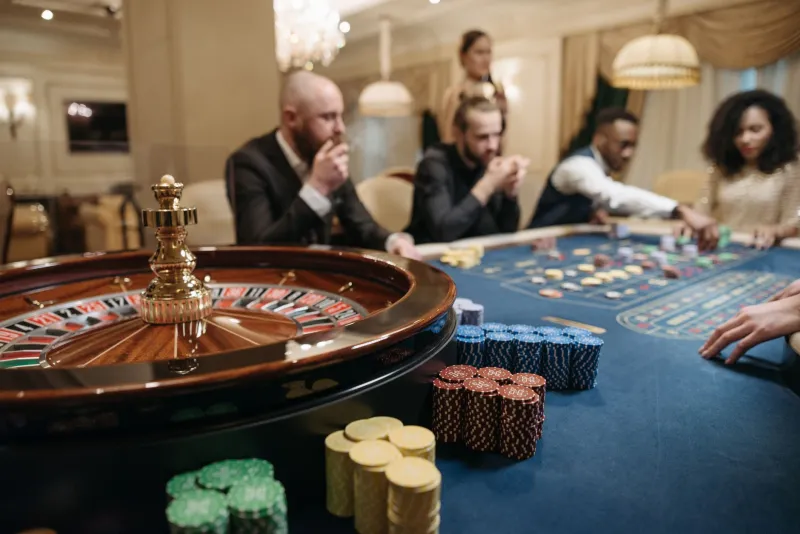
But something's been shifting lately — and it's not subtle. Australian online casinos are investing seriously in social infrastructure, layering their platforms with features designed to replicate (or at least approximate) the communal buzz of a real gaming floor. Whether that's a triumph of innovation or a masterclass in psychological manipulation is, frankly, a bit of both.
The Lonely Punter Problem
Let's be honest about what traditional online gambling actually looked like. You logged in, you played, you either celebrated alone or sulked alone, and you logged out. The casino got your money; you got an experience roughly as social as doing your tax return.
Australian gambling culture has always been intensely communal by nature. The Melbourne Cup sweep at the office. The Saturday arvo at the races with mates. The Friday night poker game that somehow always ends at 2am with someone sleeping on the couch. Gambling here has historically been a shared activity, which made the transition to solitary online play feel oddly sterile for a lot of Aussies.
Casinos — the smart ones, anyway — noticed this gap. And they moved to fill it.
Enter the Chat Room, Stage Left
Live chat functions were the first real attempt to recreate the social texture of a casino floor. Log into a live dealer blackjack or baccarat table today, and you'll often find a scrolling sidebar where players from around the country (and beyond) are cracking jokes, groaning at bad draws, and occasionally typing things that probably shouldn't be repeated in polite company.
It's imperfect. The conversations can be chaotic, the trolls are a genuine presence, and there's something undeniably strange about expressing human connection through a text box while a CGI roulette wheel spins. But for a lot of players, it works. There's a warmth to knowing that the person three seats down at the virtual table just had the same rotten luck as you.
Live dealer studios have leaned into this hard. Dealers are trained to be personable, to read the chat, to call out usernames and react to big wins. It's theatre, yes — but good theatre. The jester has always known that a performance lands better with an audience.
Tournaments: When the Crowd Becomes the Competition
If live chat is the equivalent of chatting at the bar, online tournaments are the main event. Slot tournaments, poker series, and leaderboard competitions have exploded in popularity across Australian platforms, and it's not hard to see why.
They transform what is normally a passive, individual activity into something genuinely competitive and communal. You're no longer just playing against the house — you're playing against each other, watching a leaderboard update in real time, experiencing the collective tension of a race to the top.
For Australians, who have competitive sport essentially baked into their cultural DNA, this framing hits differently. Suddenly, grinding through pokies isn't just about chasing a jackpot — it's about beating Dave from Queensland who's been sitting at number two on the leaderboard for the past four hours.
There's a genuine buzz to it. Ask anyone who's participated in a timed slot tournament at a well-run platform and they'll tell you it felt nothing like regular solo play. The social stakes — the bragging rights, the shared experience — changed the texture of the whole thing.
Community Events and the Calendar of Connection
Some platforms are going further, building genuine calendars of community events — themed promotion weeks, seasonal tournaments, virtual watch parties around major Australian sporting events, and loyalty programs with communal milestones.
The smartest operators understand that Australian players aren't just looking for a game; they're looking for a scene. A place to belong. A community with its own rhythms, its own in-jokes, its own version of the Friday night regular crowd.
When a casino runs a Grand Final-themed promotion week complete with leaderboards, themed bonuses, and a live chat that's buzzing with footy banter, they're not just selling entertainment — they're selling belonging. And belonging, as any sociologist (or half-decent pub landlord) will tell you, is one of the most powerful motivators in human behaviour.
The Uncomfortable Question: Is Any of This Actually Good for Players?
Here's where we put down the party poppers for a moment.
All of this social scaffolding — the chat, the tournaments, the community events — is also, let's be clear, extraordinarily effective at keeping players on platform for longer. That's not a conspiracy theory; it's basic product design. Casinos are businesses, and features that increase session length and return visits are features that improve the bottom line.
The question isn't whether these tools serve the casino's interests. Of course they do. The question is whether they also genuinely serve players' interests — and the honest answer is: sometimes yes, sometimes no.
For players who gamble responsibly and within their means, the social features can genuinely enhance the experience. They add texture, fun, and a sense of connection to what would otherwise be a fairly transactional activity. That's real value.
For players who are already prone to extended sessions or chasing losses, the social layer adds another reason to stay logged in — and that's worth being clear-eyed about. Feeling like you're part of a community, not wanting to miss a tournament milestone, not wanting to duck out while the chat's buzzing — these are all psychological hooks, whether they're dressed up in community language or not.
Responsible gambling tools matter more, not less, in this environment. Know your limits before you log in, set your deposit caps, and remember that the community will still be there tomorrow.
The Verdict: Genuine Fun With Eyes Wide Open
Australian online casinos are doing something legitimately interesting by investing in social features. For a gambling culture that's always been about shared experience as much as individual play, bringing community into the digital space feels less like a gimmick and more like a correction — a return to the communal spirit that made Aussie gambling culture what it is.
But like any good jester, these features are playing two roles at once. They're entertaining, yes. They're also working hard to keep you in the court longer.
Enjoy the show. Laugh at the chat. Battle it out on the leaderboard. Just make sure you're the one deciding when the curtain comes down — not the casino.