Born to Punt: Why Australia's Gambling Culture Is Unlike Anywhere Else on Earth — and What Online Casinos Are Doing About It
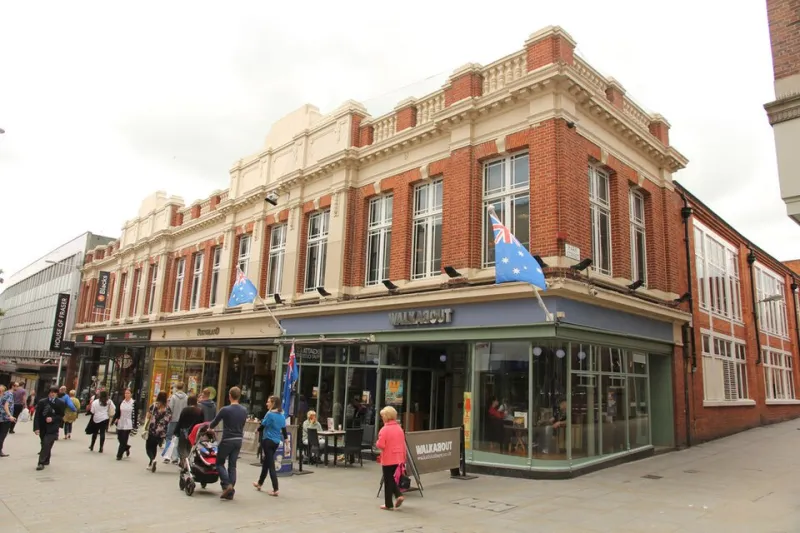
Photo: Richard Croft, CC BY-SA 2.0, via Wikimedia Commons
Ask a Canadian what they do on a Sunday arvo and they might mention brunch, a hike, or perhaps some light recreational kayaking. Ask an Australian the same question and there's a statistically significant chance the answer involves a footy match, a cold one, and a bet on the side.
This isn't a stereotype so much as a demographic reality. Australians are, by most measures, the world's most enthusiastic gamblers per capita. Not the most reckless, not necessarily the most sophisticated — but the most culturally embedded. Gambling here isn't a fringe activity or a guilty pleasure whispered about at dinner parties. It's woven into the social fabric in a way that genuinely has no parallel in most other Western nations.
So when online casinos pitch themselves to Australian audiences in 2024, they're not just selling a product. They're trying to speak a language. And the question worth asking is: how well are they actually doing that — and at what cost?
The Pub Bet as Sacred Ritual
To understand Australian gambling culture, you have to start at the pub.
The TAB terminal tucked beside the pokies in every second RSL and sports bar isn't just a revenue stream for the venue — it's a social anchor. For generations of Australians, having a punt has been inseparable from the experience of watching sport with mates. The bet isn't really about the money, most of the time. It's about having skin in the game. It's about the ritual of checking the odds, debating the pick, and either celebrating or commiserating together.
This is a fundamentally social form of gambling, and it's one that online platforms have historically struggled to replicate. A bloke staring at his phone in the corner of a pub, tapping away at an app, is technically doing the same thing as the group crowded around the TAB terminal — but the experience is entirely different. One is communal; the other is solitary.
The smartest online operators have started to recognise this gap and are experimenting with live dealer games, chat functions, and social features that attempt to inject some of that communal energy into a digital environment. It's an imperfect solution, but it's at least asking the right question.
The Larrikin Expectation
Australians have a finely tuned radar for inauthenticity, and they apply it to brands as readily as they apply it to people. A platform that tries too hard, takes itself too seriously, or speaks in the kind of corporate non-language that sounds like it was written by a committee in a beige conference room will be spotted and dismissed immediately.
This is why the rise of personality-driven casino branding — jesters, cheeky mascots, irreverent copy — has resonated so strongly in this market. Jokaroom's whole deal, for instance, is built on the premise that gambling should feel like a laugh rather than a transaction. That's not an accident; it's a deliberate read of what Australian punters actually respond to.
The larrikin spirit — that particular blend of self-deprecating humour, anti-authority cheek, and genuine warmth — is a real cultural currency here, and platforms that manage to channel it authentically earn a kind of trust that straightforwardly professional branding never could.
The catch, of course, is that "authentic larrikin" is a very specific thing, and "corporate approximation of larrikin" is immediately obvious to the people you're trying to reach. Australians can tell the difference between someone who's genuinely taking the mickey and a marketing team that's been briefed to seem like they are.
FOMO, Mates, and the Social Casino Boom
One of the more interesting developments in Australian online gaming over the past few years is the explosion of social-adjacent gambling content — influencer livestreams, group betting apps, and casino content creators who've built genuine audiences by sharing their sessions in real time.
This isn't unique to Australia, but it maps particularly well onto Australian social norms. Gambling has always been a performance here, to some extent — the storytelling that happens after the bet is as important as the bet itself. The bloke who backed the 40-to-1 roughie and cleaned up at the races isn't just lucky; he's a legend, and the story gets told for years.
Social media has turbocharged this dynamic. Now the story can be told in real time, to thousands of people, with a clip of the big win attached. The FOMO this generates is significant — and online platforms have been quick to leverage it, with referral bonuses, shared jackpot notifications, and community features designed to make gambling feel like a group activity even when you're playing alone.
Whether this is a healthy evolution of Australian gambling culture or a concerning amplification of it is a genuinely open question.
The Responsible Gambling Tension
Here's where this cultural alignment gets complicated.
The same features that make online casinos feel authentically Australian — the matey tone, the social elements, the FOMO-driven notifications, the sense that having a punt is just what you do — can also make it significantly harder to disengage when you should.
Australia already has some of the highest rates of gambling-related harm in the world. The cultural normalisation of gambling, which makes it feel like a harmless social activity, is part of what creates that problem. When online platforms lean into that normalisation as a marketing strategy, they're amplifying something that already has real human costs.
This doesn't mean the cultural alignment is inherently wrong. It means it comes with responsibilities that not every platform takes seriously enough. The best operators are the ones who manage to speak the Australian gambling language fluently while also being genuinely clear about risk, genuinely easy to set limits on, and genuinely not designed to obscure the off-ramp when a player needs to find it.
Cultural authenticity and responsible design aren't mutually exclusive. They should, ideally, be the same thing.
What 2024 Actually Looks Like
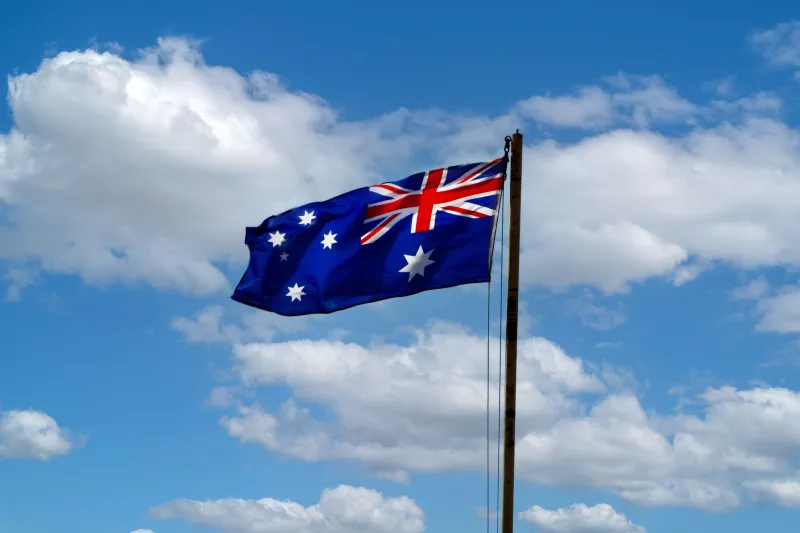
The Australian online gaming market in 2024 is more crowded, more sophisticated, and more culturally attuned than it's ever been. Platforms are investing in localisation that goes beyond slapping an Australian flag on a generic interface — they're thinking about betting rhythms that align with the AFL and NRL calendars, game libraries that reflect local preferences, and brand voices that feel like they belong in a Bondi pub rather than a Las Vegas hotel lobby.
For Australian punters, this is largely a positive development. A gambling experience designed with genuine understanding of local culture is more enjoyable and, arguably, more honest than one that treats all global markets as interchangeable.
The nuance, as always, is in the details. Cultural alignment done well looks like a platform that gets you. Cultural alignment done cynically looks like a platform that's figured out your weaknesses and is using them against you.
Knowing which one you're dealing with is, perhaps, the most important skill a modern Australian punter can develop.
Have a punt — but make it an informed one.