Laugh Now, Spin Later: The Hidden Psychology Behind Casino Humour and What It's Actually Doing to Your Brain
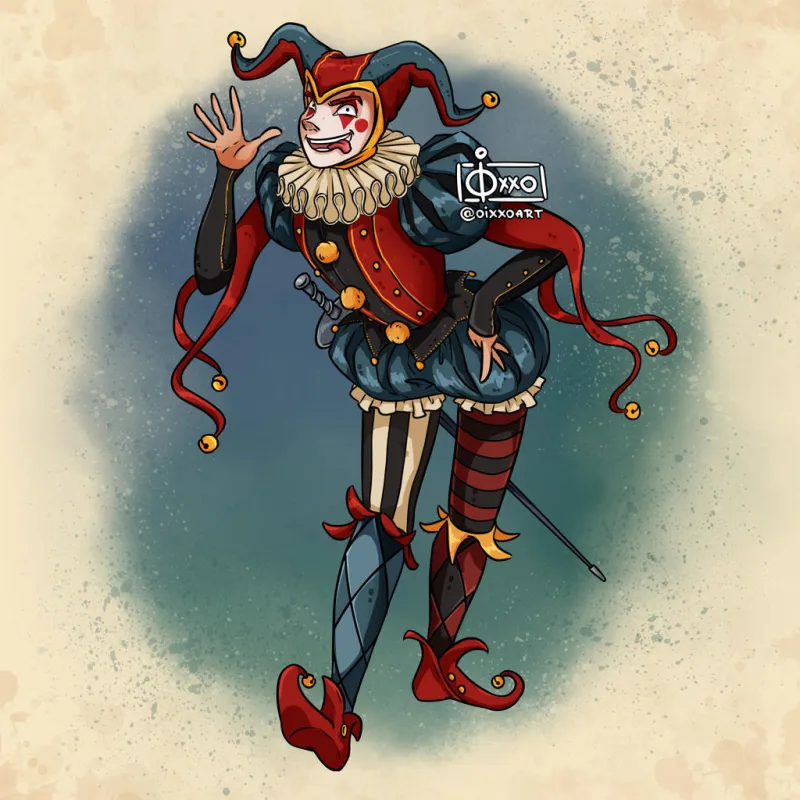
Photo: jester mascot online casino colourful digital gaming interface, via images-wixmp-ed30a86b8c4ca887773594c2.wixmp.com
There's a jester on your screen. He's winking. He's doing a little shimmy. He's just told you that your next spin could be "royally ridiculous" and you — despite yourself — are grinning. Before you know it, you've clicked the button again.
Coincidence? Mate, nothing in online casino design is a coincidence.
The intersection of humour and gambling is a fascinating, slightly unsettling place to spend an afternoon. Australian online casinos — including, yes, the one you're currently reading — have leaned hard into comedy as a core design philosophy. And there are very good reasons for that, some of which are genuinely user-friendly, and some of which are worth examining with a slightly more sceptical eye.
So let's do exactly that.
Why Casinos Went Funny in the First Place
For most of the 20th century, casino aesthetics were built around glamour and gravity. Think velvet ropes, tuxedos, and the kind of hushed reverence you'd normally reserve for a cathedral. The message was clear: this is serious business.
Then the internet happened, and suddenly every punter in Penrith could access a casino from their couch. The velvet ropes dissolved. The tuxedo became a daggy hoodie. And the industry faced a branding problem: how do you make an activity that involves real financial risk feel approachable, fun, and — crucially — repeatable?
The answer, for a growing number of platforms, was humour.
Comedic branding lowers psychological defences. Research in consumer behaviour consistently shows that people who are laughing are less likely to engage in careful risk assessment. A chuckle triggers the same neurological reward pathways as mild social bonding, which means a funny notification or a witty mascot isn't just entertaining — it's chemically softening your decision-making process.
That's not a conspiracy theory. That's just neuroscience, and it's also excellent marketing.
The Jester as Brand Mascot: Charming or Calculated?
Here at Jokaroom, we're not going to pretend our jester is purely decorative. He's a deliberate character choice, and it's worth being honest about why jesters work so well in this context.
Historically, the court jester occupied a unique social position: the only person in the kingdom allowed to speak uncomfortable truths because they wrapped them in jokes. The jester could tell the king he was being an idiot, as long as he did it while juggling. There's something almost poetic, then, about a gambling platform adopting the jester as its face — because the jester's whole deal is making difficult things palatable through entertainment.
Is that manipulative? Possibly. Is it also genuinely enjoyable? Also yes. Both things can be true.
What's worth noting is that the jester aesthetic does something specific: it reframes the gambling experience as a performance you're attending rather than a risk you're taking. You're not losing money; you're watching a show. You're not chasing losses; you're staying for the encore. The costume matters because it changes the psychological frame.
Cheeky Notifications and the Comedy of Urgency
If you've spent any time on Australian online casino platforms, you'll have encountered the cheeky push notification. "Oi, you've been quiet — your lucky streak is getting cold!" or "Don't let the jackpot run off without you, legend."
These messages are funny. They're also precision-engineered re-engagement tools.
The humour serves two functions simultaneously. First, it makes the notification feel like a mate texting rather than a corporation nudging. Second, it softens the urgency — which is real urgency, mind you — behind a layer of larrikin charm. You're less likely to feel pressured when you're smiling.
This is worth naming clearly: comedic language in casino communications is often doing the same job as conventional FOMO marketing, just with better jokes. The fact that it feels friendly doesn't mean it's not strategic.
When Playful Design Actually Does Improve the Experience
In fairness — and fairness matters here — there are genuine benefits to humour-forward casino design that aren't purely cynical.
Anxiety is a significant barrier for newer gamblers. Intimidating interfaces, complex terminology, and the general gravity of financial risk can make the learning curve genuinely stressful. A platform that uses light-hearted language, funny tutorials, and a mascot who makes mistakes seem less catastrophic genuinely does reduce that barrier to entry.
For casual players who are gambling purely for entertainment and have no illusions about the mathematical reality of the house edge, a fun environment makes the experience more enjoyable without necessarily encouraging reckless behaviour. Not everyone who appreciates a good joke is being manipulated by one.
The distinction — and it's an important one — lies in whether the humour is supplementing a transparent, well-designed experience, or whether it's being used to obscure fine print, downplay losses, or distract from responsible gambling tools that the platform would rather you didn't notice.
Reading the Room: How to Enjoy the Joke Without Being the Punchline
So how does a savvy Aussie punter engage with humour-forward casino design without getting played by it?
A few practical thoughts:
Notice when you're laughing instead of thinking. If a funny notification makes you click without actually deciding to play, that's the design working on you, not with you. Take the extra two seconds to make a conscious choice.
Separate the entertainment from the economics. The jester can be entertaining and the house edge can still be real. One doesn't cancel out the other. Enjoy the show; respect the maths.
Check what's behind the curtain. A genuinely player-friendly platform uses humour as decoration on top of solid responsible gambling tools — session limits, deposit caps, reality checks. If the jokes are prominent and the safeguards are buried, that's a design choice worth noticing.
Give yourself permission to find it funny and stay sharp. You don't have to choose between enjoying a well-crafted bit of casino comedy and maintaining your wits. The goal is to be the person laughing at the jester's jokes while keeping a firm hand on your wallet.
The Verdict
Casino humour is neither purely innocent nor purely predatory. It's a sophisticated design language that serves multiple masters at once — genuine entertainment, brand differentiation, psychological engagement, and yes, revenue generation.
At Jokaroom, we reckon the honest position is this: we've built a jester-themed playground because Australians respond to larrikin energy, because gambling genuinely can be fun, and because a platform that makes you smile is more enjoyable to use than one that doesn't. We also think you're smart enough to appreciate that, and to play accordingly.
The jester's best trick was always knowing exactly what he was doing while making everyone else think it was just a laugh.
Now you know too. Spin responsibly.