Chaos By Design: The Calculated Unpredictability That Keeps Aussie Players Spinning
There's a particular kind of Australian optimism that lives in the phrase 'you never know.' It's the same spirit that makes us back an outsider at the Melbourne Cup, throw a tenner on a roughie at the footy tipping, and — crucially — hit spin one more time after a string of losses that would make a sane accountant weep. Online casinos didn't invent this attitude. But they've absolutely weaponised it.
Welcome to the science of engineered chaos. Grab a seat, because this one's wilder than a Saturday night in Surfers Paradise.
The Random Isn't Actually Random (Well, Not in the Way You Think)
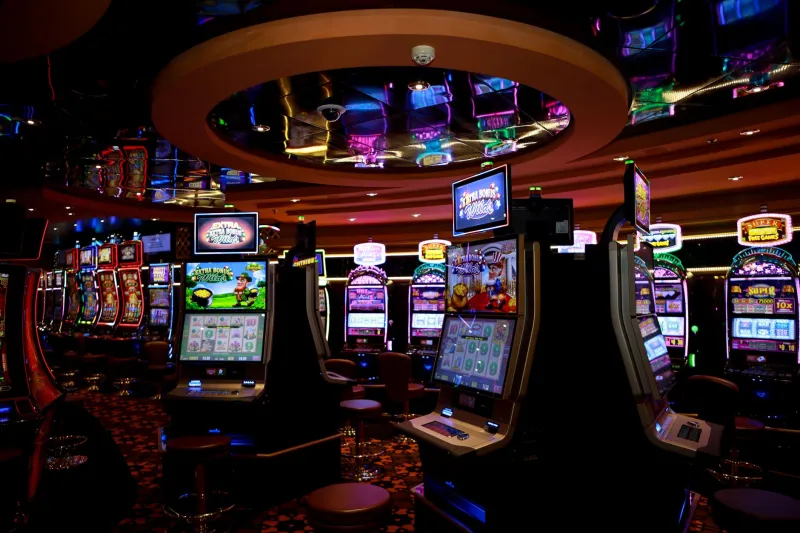
Let's start with the big one. Every pokie, every digital card shuffle, every roulette spin is governed by a Random Number Generator — an RNG. These algorithms produce outcomes that are, technically speaking, unpredictable on a spin-by-spin basis. But here's the catch: they're calibrated within very deliberate parameters. The range of possible outcomes, the frequency of near-misses, the clustering of small wins — none of that happens by accident.
Game designers sit down and ask themselves a very specific question: how do we make this feel thrilling without paying out so much that we go broke? The answer is a carefully tuned volatility setting. High-volatility slots go long stretches without paying, then explode with a massive win. Low-volatility games drip-feed smaller rewards regularly. Neither approach is random in spirit — both are engineered to produce a specific emotional arc in the player.
That arc, by the way, looks a lot like a rollercoaster. And Australians, bless us, love a rollercoaster.
Why 'Anything Can Happen' Is the Most Powerful Phrase in Gambling Marketing
Australian gambling culture is built on a foundation of glorious, irrational hope. It's why we're one of the highest per-capita gambling nations on the planet. It's why the phrase 'you never know your luck' is practically a national motto. Online casinos know this, and they market directly into it.
Phrases like 'jackpots drop randomly', 'any spin could be the one', and 'big wins can happen anytime' aren't just advertising copy — they're psychological primers. They activate what behavioural scientists call variable ratio reinforcement, the same reward mechanism that makes poker machines so notoriously sticky. When a reward can arrive at any moment, the brain doesn't switch off between attempts. It stays locked in, scanning, hoping, waiting.
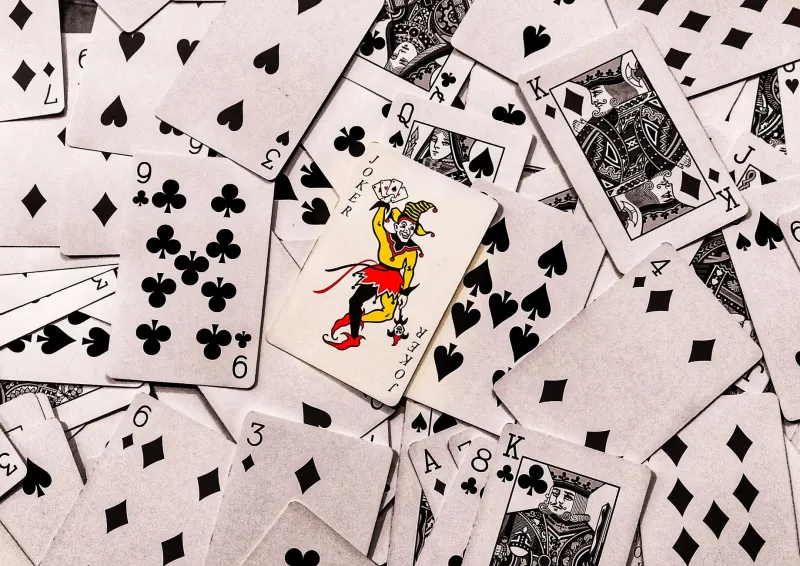
The jester archetype — unpredictable, surprising, capable of turning the table at any moment — isn't just a fun brand mascot. It's a perfect metaphor for how these games actually function. The jester might hand you a crown or a custard pie. You won't know until you reach out. And that uncertainty? That's the whole point.
Dopamine: The Real Currency Being Traded
Here's the neuroscience bit, served without the boring lecture voice. When something surprising and positive happens — a win you didn't see coming, a bonus round that triggers out of nowhere — your brain releases dopamine. Not a trickle. A flood.
But here's what most people don't realise: dopamine doesn't just fire on the win. It fires in anticipation of a possible win. The moment you hit spin and the reels start moving, your brain is already releasing dopamine in response to the possibility of a reward. The actual outcome almost becomes secondary.
This is why the spinning reels, the dramatic pause before a bonus triggers, the slow reveal of a card — all of it is deliberately drawn out. Casinos aren't just being theatrical. They're extending the dopamine window. Every second of suspense is a second your brain is chemically engaged, and chemically engaged brains tend to keep playing.
For Aussies raised on the drama of a photo finish at Flemington or a last-ball six at the SCG, this kind of suspense isn't foreign. It's home.
The Surprise Win: Your Brain's Favourite Trick and the Casino's Best Tool
Researchers have found that unexpected wins produce a stronger neurological response than wins that were anticipated. In other words, the jackpot that lands when you've almost given up hits harder — both emotionally and chemically — than one you saw coming from miles away.
Casinos exploit this mercilessly. Features like mystery multipliers, randomly triggered free spins, and 'must-drop' jackpots that pay at unpredictable intervals are all designed to manufacture that shock-of-the-unexpected feeling. The game doesn't just want you to win occasionally. It wants you to be surprised when you do.
That surprise is what you're really chasing when you think you're chasing a jackpot. The money is almost beside the point — it's the jolt of the unexpected that your brain has learned to crave.
Recognising When You're Playing Strategy vs. Chasing Chaos
So how do you tell the difference between playing smart and being played? Here are a few honest questions worth asking yourself mid-session:
Are you still following a plan, or are you just waiting for lightning to strike? If you sat down with a budget and a time limit and you're still inside both, you're playing with strategy. If you blew past your limit because 'the machine feels due,' you're chasing chaos.
Are you excited by the game itself, or just by the possibility of the next surprise? There's a difference between enjoying the entertainment value of a well-made slot and desperately waiting for a random bonus to rescue a bad session.
Would you stop if a win landed right now? This one's uncomfortable but useful. If the honest answer is no — if a win would just reset the clock rather than end the session — that's a sign the unpredictability has got its hooks in.
Are you interpreting recent results as signals? 'It hasn't paid in a while, it must be close' is not a strategy. It's the gambler's fallacy dressed up in Aussie optimism. The RNG has no memory. Every spin is genuinely independent of the last.
Playing the Jester's Game on Your Own Terms
None of this means you can't enjoy the ride. Unpredictability is part of what makes casino gaming genuinely fun — the same reason we love a thriller over a film where the ending is telegraphed in the first five minutes. The problem isn't that casinos use surprise and volatility. The problem is when players stop being entertained by it and start being controlled by it.
The Jokaroom jester is unpredictable by nature — that's the whole bit. But even the best jester performs to a crowd that's in on the joke. Understanding how engineered chaos works doesn't ruin the show. It just means you're watching with your eyes open.
And in a casino, eyes open is always the better seat.
Play for entertainment. Set limits before you start. If gambling stops being fun, visit the National Gambling Helpline at 1800 858 858.