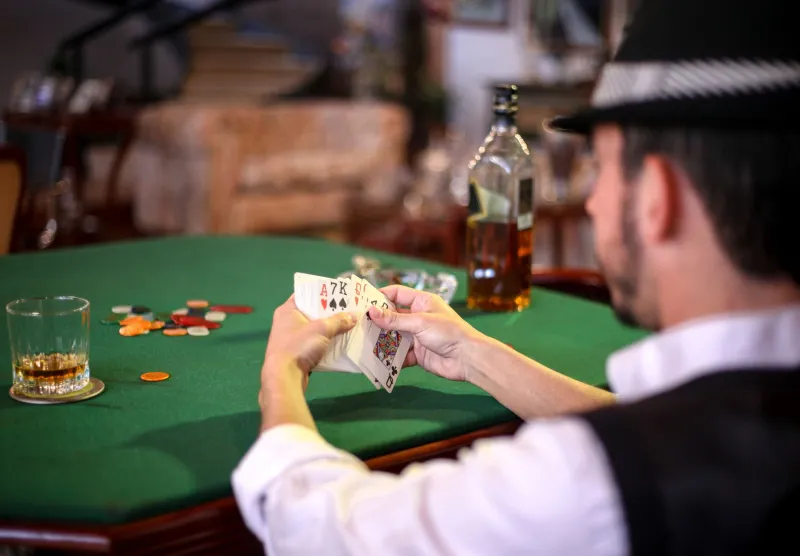
Ha Ha, You're Hooked: The Science Behind Why Funny Casinos Make You Bet More
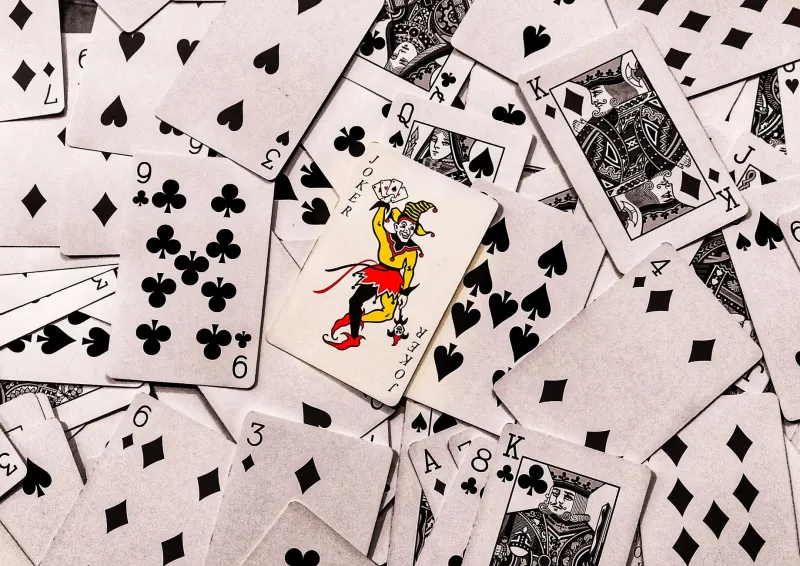
There's a moment every Australian online casino player knows well. You've just watched a cartoon jester somersault across your screen after a losing spin, cracked a grin despite yourself, and — almost without thinking — hit the bet button again. Nothing catastrophic happened. It was just a bit of fun, right?
Wrong. That grin cost you money, and it was engineered to.
The intersection of humour and gambling isn't accidental. It's a deliberate, research-backed design philosophy that Australian casinos — online and off — have been quietly perfecting for years. And it works precisely because nobody takes it seriously.
The Disarming Power of a Good Laugh
Humour, at its neurological core, is a trust signal. When something makes us laugh, our brains interpret the source as safe, familiar, and benign. Psychologists call this the "benign violation theory" — something is funny when it feels simultaneously wrong and harmless. A jester falling over. A slot machine winking at you. A cheeky pop-up that says "Oops, nearly!" after a near-miss.
All of it is calibrated to communicate one thing: relax, mate, this isn't serious.
And that's exactly where the danger lives.
Dr. Mark Griffiths, a behavioural addiction specialist whose work has been cited extensively in Australian gambling research, has long argued that environmental cues — including tonal ones — directly influence risk tolerance. When a player feels emotionally at ease, they're measurably more likely to increase bet sizes, extend sessions, and dismiss warning signs that would otherwise prompt them to stop.
In plain English: a laughing player is a spending player.
Branding That Blurs the Line Between Fun and Foolish
Australian online casinos have become exceptionally good at wrapping their products in a layer of larrikin charm. Playful mascots, cheeky taglines, cartoon animations that celebrate losses as cheerfully as wins — it all adds up to a brand experience that feels more like a Saturday arvo with mates than a financial transaction.
That framing is doing a lot of heavy lifting.
When a casino brands itself around entertainment rather than gambling — when the aesthetic is closer to a comedy festival than a betting shop — players unconsciously recategorise the activity. They're no longer "gambling," a word loaded with risk and consequence. They're "playing," which carries almost no psychological weight at all.
Researchers at the University of Sydney have explored how recreational framing affects self-regulation in gamblers. Their findings suggest that when players perceive an activity as play rather than risk, they apply far less cognitive scrutiny to their decisions. They check their balance less frequently. They ignore time. They dismiss early losses as part of the entertainment rather than signals to reassess.
The jester, in other words, isn't just a mascot. He's a permission slip.
Why Australians Are Particularly Susceptible
This tactic lands especially well in Australia, and that's not a coincidence. Australian culture has a deeply ingrained relationship with self-deprecating humour and the idea that taking things too seriously is somehow uncool. "She'll be right" is practically a national motto. The ability to laugh at adversity — including financial adversity — is treated as a virtue.
Casinos know this. They've built entire marketing ecosystems around it.
When a platform uses larrikin humour to frame a losing streak as a running joke rather than a financial problem, it's exploiting a genuine cultural trait. The Australian instinct to shrug off bad luck and keep smiling becomes, in a casino context, a mechanism for continued play. Admitting the losses are a problem would mean admitting you can't take a joke — and that's social suicide at the metaphorical pub.
It's a beautifully cynical piece of cultural judo.
The Mechanics of Comedic Manipulation
So how, specifically, does this play out in practice? A few mechanisms are worth naming:
Loss celebrations. Many online slots now feature animations and sound effects for near-misses and minor losses that are indistinguishable in tone from win celebrations. A jester juggling while your balance drops isn't mourning your money — he's making the loss feel like part of the show. The emotional response is muted, the sting is dulled, and the session continues.
Self-aware advertising. Casino marketing that winks at the audience — "yeah, we know you're going to keep playing anyway" — creates a false sense of mutual understanding. It positions the player as someone who's in on the joke, too savvy to be manipulated. This is, of course, the manipulation.
Comedic customer service. Chatbots and support staff trained to use light, breezy language during deposit or withdrawal conversations reduce the psychological friction that might otherwise make a player pause and reflect. A funny GIF during a withdrawal delay is a distraction from the fact that accessing your own money is taking 72 hours.
Meme-driven social content. The social media presence of many Australian online casinos leans heavily on relatable gambling memes — content that normalises the cycle of deposit, lose, deposit again through the universally acceptable language of internet humour. When your losses are a meme, they're communal and funny. When they're a bank statement, they're neither.
Laughing With You, or At You?
Here's the question worth sitting with: when a casino makes you laugh, who's actually in on the joke?
The humour deployed by online gambling platforms isn't the warm, spontaneous kind that emerges between friends. It's manufactured, tested, A/B optimised, and deployed with surgical precision to achieve a specific commercial outcome. The jester isn't your mate. He's a conversion tool in a hat.
None of this means you can't enjoy a casino that has a fun, playful brand — plenty of Australians do, responsibly and without incident. But enjoyment and awareness aren't mutually exclusive. You can appreciate the comedy and still recognise the machinery behind it.
The moment you catch yourself thinking "it's just a bit of fun" as your session extends past the point you planned, that's worth examining. That phrase — almost always delivered with a laugh — is doing exactly the job it was designed to do.
Playing Smart in a World Built for Laughs
The antidote to comedic manipulation isn't humourlessness. It's not refusing to smile at the dancing jester or approaching every spin with the grim solemnity of a tax audit. The antidote is simply maintaining a parallel awareness: one part of you can enjoy the entertainment while another part keeps a clear eye on the numbers.
Set your limits before you log in, not during a session when the jester's got you grinning. Check your balance with the same attention you'd give a supermarket receipt — not because it's not fun, but because it's also real money. And when the platform makes a joke about how you're definitely going to lose, remember: they're not wrong, and they're not entirely joking either.
The house always wins. It's just funnier about it these days.